Crystal Meanings · 7 min read
Gemstone Bracelet Meaning: Benefits, Birthstones, Sizing & Care
A practical guide to gemstone bracelet meanings, birthstones, stone quality, wrist sizing, stacking, and care, written for natural stone jewelry shoppers.
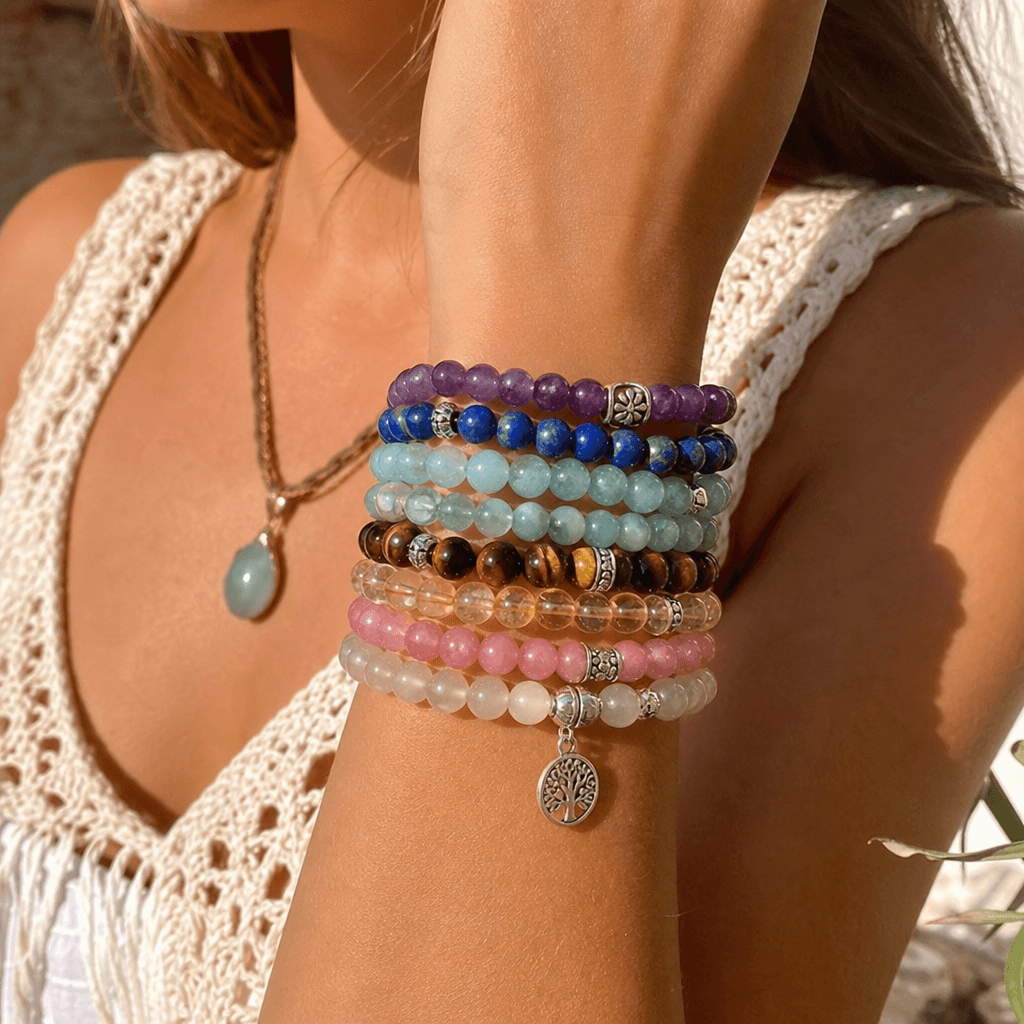
Gemstone bracelets are popular because they sit at the meeting point of natural stone, personal style, and symbolic meaning. Some people search for gemstone bracelet benefits. Others look for birthstone meanings, chakra bracelet ideas, or a stone bracelet that simply feels beautiful enough to wear every day.
The useful way to choose one is practical: understand the meaning behind the stones, check the quality, choose a comfortable wrist size, and make sure the bracelet suits your daily life. If you want a LunarBeads approach, you can also connect the bracelet to the five elements, then test the design in the bracelet builder.
What gemstone bracelet meaning really means
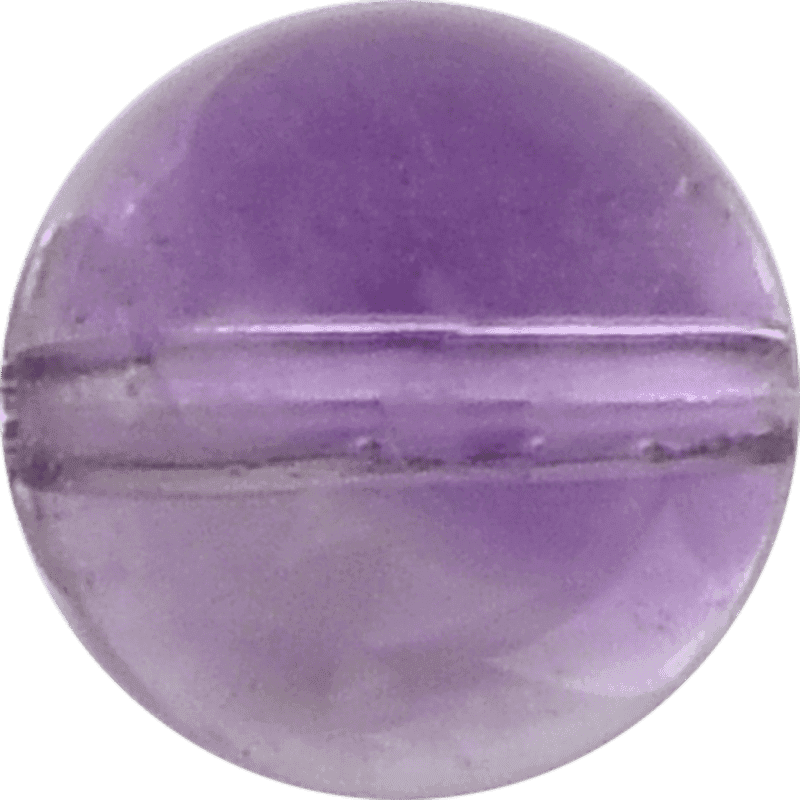
In jewelry and crystal communities, gemstone meaning usually refers to symbolic associations, color language, and the intention someone wants to carry. A rose quartz bracelet, for example, is often associated with softness, affection, and self-kindness. An amethyst bracelet is often associated with calm, clarity, and a quieter mood.
That language can be meaningful, but it should stay grounded. Gemstone bracelets are not medical treatment, and they should not be presented as a guarantee of healing, protection, or life change. At LunarBeads, stone meanings are used for styling, tradition, and personal reflection.
If you see phrases such as "healing properties of gemstones", read them as cultural and symbolic language. The better question is not "Which stone will fix this?" but "Which stone helps me remember what I want to practice or express?"
How to choose by intention
The strongest gemstone bracelet is usually the one with a clear reason behind it. Start with a simple intention, then choose stones that fit both the symbolism and your wardrobe.
| Intention | Stone direction | LunarBeads starting point |
|---|---|---|
| Calm and clarity | Amethyst, clear quartz, pale blue stones | Brazilian amethyst or clear white crystal |
| Softness and affection | Rose quartz, pink crystals, white stones | Peach rose quartz |
| Grounding | Tiger eye, smoky quartz, warm yellow stones | Yellow tiger eye |
| Focus and simplicity | Clear quartz, white crystal, metal accents | Clear white crystal |
| Flow and intuition | Aquamarine, lapis, blue stones | Cream blue aquamarine or lapis lazuli |
If you are unsure where to begin, take the five-element BaZi reading. It gives you a personalized element direction, then you can design from that starting point instead of guessing.
Birthstone bracelet meanings
Birthstone bracelets are a simple way to make a gemstone bracelet feel personal. The stone is tied to a birth month, which makes it easy for gifting and easy to explain.
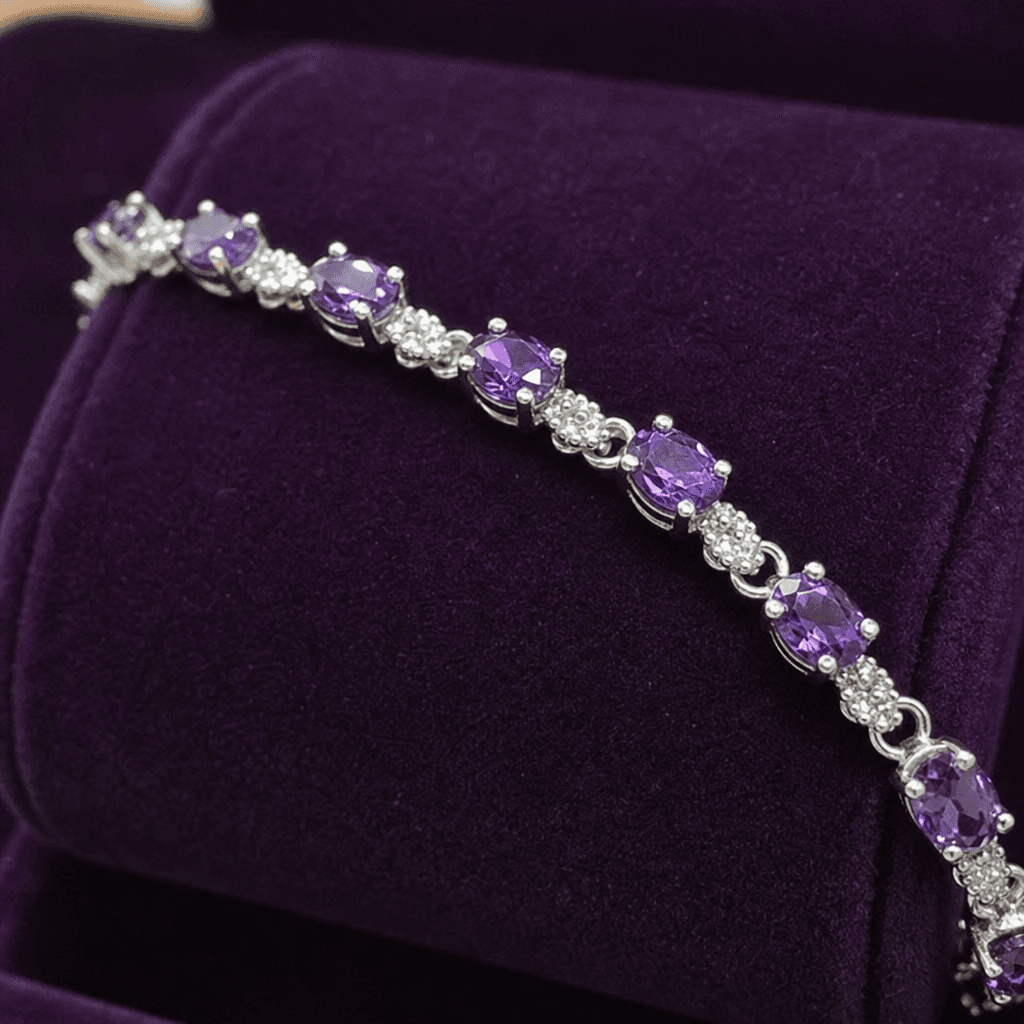
Common birthstone associations include:
- January, garnet: vitality, warmth, and strength in traditional jewelry language.
- February, amethyst: clarity, quiet, and reflection.
- May, emerald: renewal, growth, and a fresh green color story.
- September, sapphire: loyalty, depth, and a classic blue look.
You do not have to follow birthstones strictly. If your birthstone color does not fit your style, use it as one accent bead and build the rest of the bracelet around colors you will actually wear.
Chakra bracelets and five-element bracelets
Chakra bracelets usually use seven stones, each associated with one of the seven chakra centers in yoga and meditation traditions. People often choose them for color balance and symbolic completeness.
Five-element bracelets use a different system: Wood, Fire, Earth, Metal, and Water. In the LunarBeads catalog, every crystal bead is connected to one element, so you can build around a missing element, a dominant color family, or a balanced five-element composition.
The five-element route is especially useful for custom bracelets because it gives the design a clear structure:
- Wood: green stones, growth, renewal.
- Fire: red and pink stones, warmth, visibility.
- Earth: yellow and brown stones, steadiness.
- Metal: white and clear stones, refinement.
- Water: blue, black, and purple stones, softness and flow.
You can browse stones by element in the crystal catalog, or start with a BaZi element reading if you want the bracelet to feel more personal.
Quality, cuts, and materials
Meaning is only one part of the decision. A gemstone bracelet also needs good materials and comfortable construction.
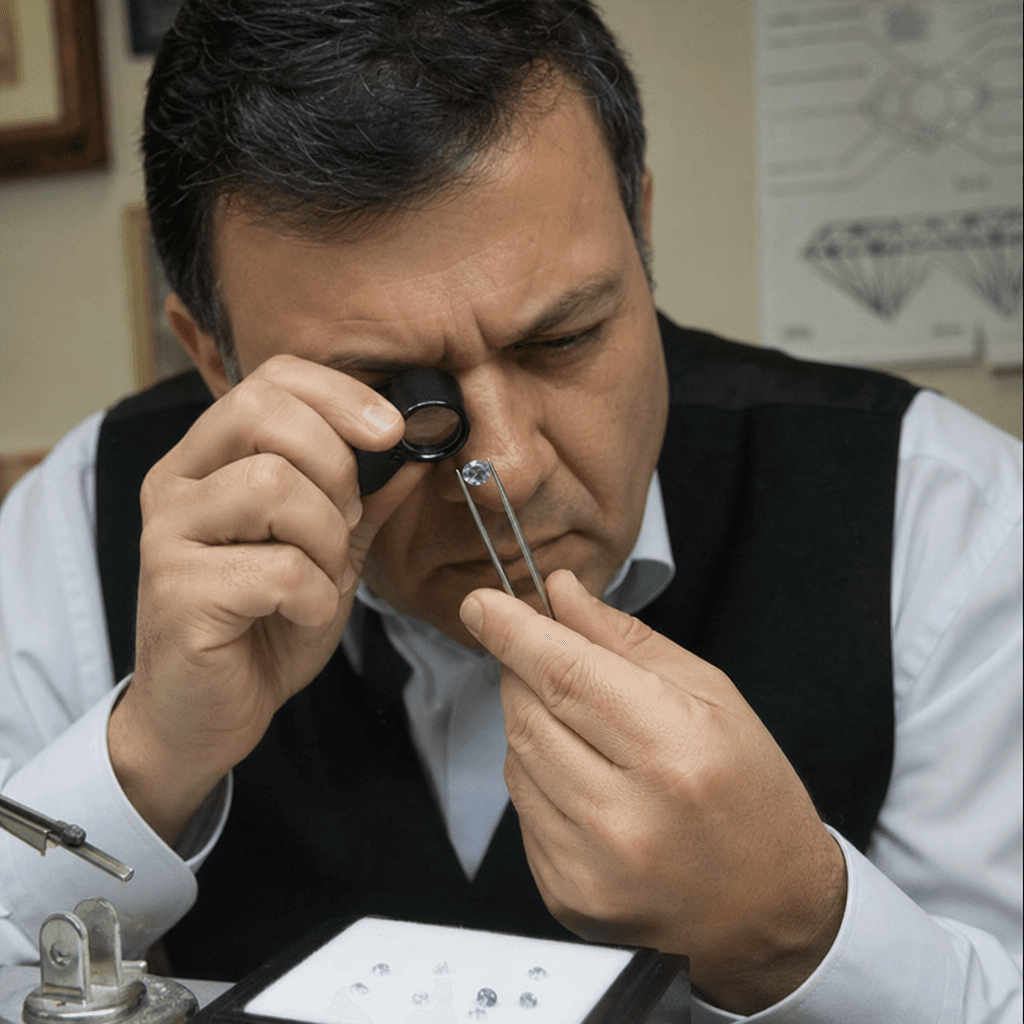
Natural stones vs synthetic stones
Natural stones often show small differences in color, pattern, and inclusions. These variations are part of their appeal. Synthetic or imitation stones can look too uniform, feel lighter, or have a glassy finish.
Lab-grown stones are different from cheap imitations. A lab-grown gem can share the same chemical properties as a mined gem, while imitation glass or plastic does not. If natural origin matters to you, look for clear product descriptions and transparent sourcing language.
Faceted vs cabochon vs beads
Faceted stones have flat cut surfaces that catch light and create sparkle. Cabochons are smooth, rounded stones with a softer vintage feel. Beaded bracelets usually use polished round, barrel, or spacer shapes, which makes them comfortable and easy to stack.
For everyday custom bracelets, polished beads are the most wearable choice. They sit comfortably on the wrist and make it easier to combine several stones in one design.
Metal accents and settings
Some gemstone bracelets use sterling silver, gold vermeil, or small spacer beads. Sterling silver is a classic option. Gold vermeil gives a warmer look without the cost of solid gold. Spacer beads can help separate colors, add rhythm, or make a design feel more finished.
If you are building a LunarBeads bracelet, treat metal and spacers as accents. Let the stones carry the story, then use small details to refine the design.
Wrist sizing and bead size
A bracelet that looks good but fits badly will stay in a drawer. Sizing matters.
Wrap a flexible measuring tape around the wrist bone. For a close everyday fit, add about 0.5 in / 1.25 cm. For a looser drape, add slightly more. If you are between sizes, think about bead diameter: larger beads make the inside circumference feel tighter.
Bead size changes the visual mood:
- 6 mm beads: subtle, delicate, easy to stack.
- 8 mm beads: balanced, versatile, the best everyday starting point.
- 10 mm beads: more visible, sculptural, and expressive.
- 12 mm beads: bold, statement-like, best when you want wrist presence.
The bracelet builder shows beads true to scale, so you can compare size and rhythm before checkout.
How to stack gemstone bracelets
Stacking works best when the bracelets share one idea. That idea can be color, element, metal tone, bead size, or intention.
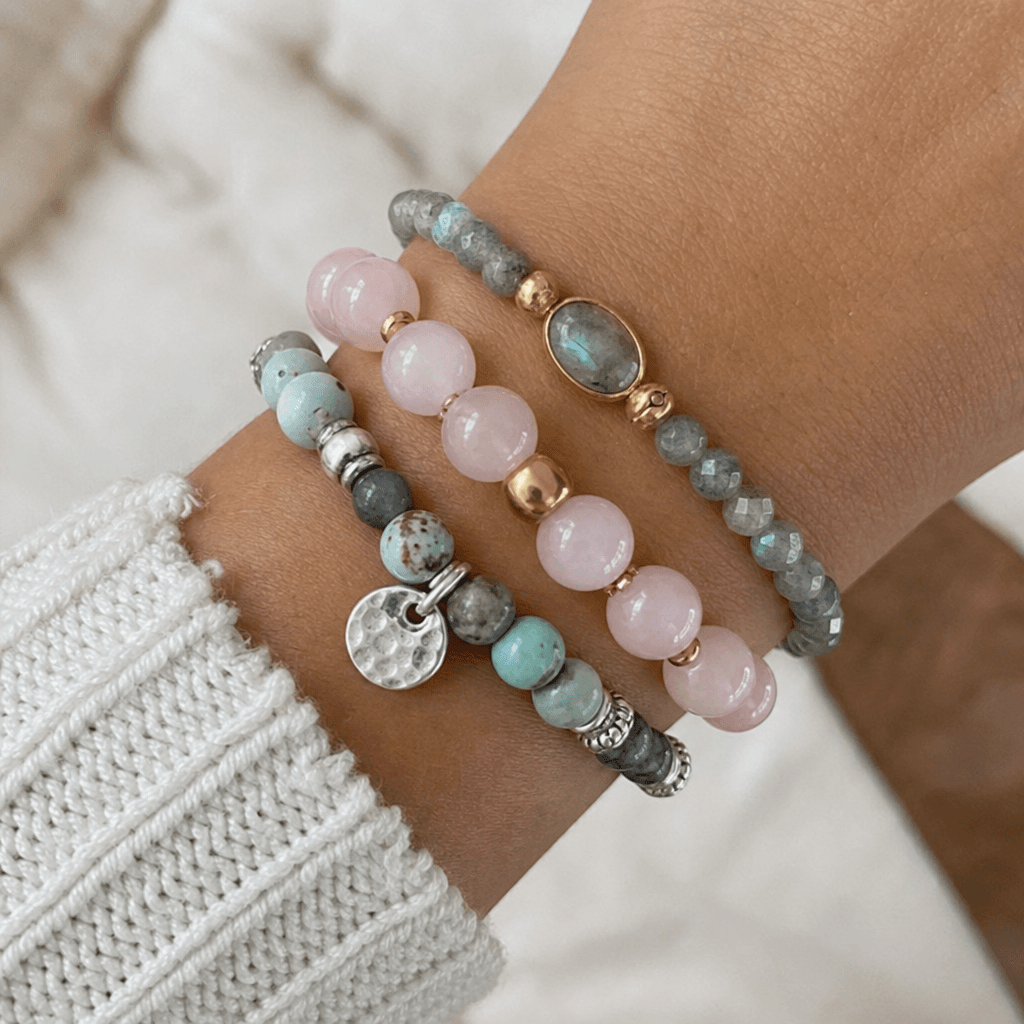
Try these simple rules:
- Start with one focal bracelet.
- Mix bead sizes instead of repeating the same scale.
- Keep one color family dominant.
- Add metal accents sparingly.
- Use an odd number of strands if you want a relaxed, balanced look.
For example, an amethyst bracelet can sit next to clear quartz and one silver spacer strand for a cool, quiet stack. A rose quartz bracelet can pair with red agate or warm gold details for a softer Fire-element look.
How to care for gemstone bracelets
Natural stone bracelets last longer when they are kept away from harsh conditions. Remove your bracelet before swimming, showering, heavy workouts, applying perfume, or using lotion.
For basic care:
- Wipe beads with a soft dry cloth after wear.
- Use a slightly damp cloth only when needed.
- Avoid harsh chemical cleaners.
- Avoid ultrasonic cleaning unless a jeweler confirms the stone is safe for it.
- Keep softer stones away from long heat and direct sun exposure.
Some people also use moonlight, sound, or selenite as symbolic crystal cleansing rituals. Treat these as personal rituals, not requirements. The most important care habit is simple: keep the bracelet clean, dry, and stored where it will not be scratched.
A practical way to start
If you are choosing your first gemstone bracelet, keep the process simple:
- Pick one intention or color direction.
- Choose one or two main stones.
- Select a comfortable bead size.
- Add one accent if the design needs contrast.
- Preview the bracelet before buying.
You can start from the crystal catalog, use the five-element reading, or jump straight into the DIY bracelet builder. The best gemstone bracelet is the one whose meaning, fit, and look all make you want to wear it often.
Quick answers
Frequently asked questions
What does a gemstone bracelet mean?
A gemstone bracelet usually combines personal style with symbolic intention. People choose stones by color, traditional meaning, birth month, five-element association, or simply because the design feels good to wear.
How do I choose a gemstone bracelet?
Choose by intention, stone family, bead size, wrist fit, and daily durability. If you want a more personalized route, start with a five-element reading and then build a bracelet around that direction.
Are gemstone bracelets medical treatment?
No. LunarBeads presents gemstones as jewelry, tradition, symbolism, and personal reflection. They are not medical advice or a replacement for professional care.
What is the best bead size for a gemstone bracelet?
Most people find 8 mm beads the easiest everyday size. 6 mm feels subtle and stackable, while 10 mm and 12 mm create a bolder look.
Related crystals
Stones from this story

Continue reading